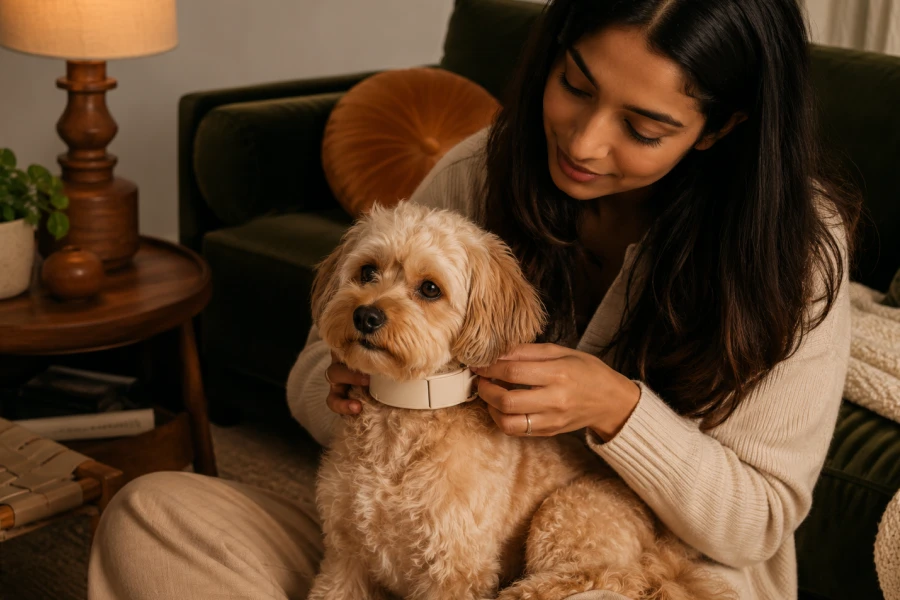
Most meaningful changes in a pet’s routine begin quietly. A skipped meal, slower walk, or different sleep pattern may be easy to dismiss once. Over time, those small notes can become more informative. That is where ai pet health tracking can help organize what an owner already observes. The goal is not to turn every ordinary behavior into an emergency. It is to notice patterns with more consistency and less reliance on memory. Good tools make space for context, patience, and better questions. They do not replace hands-on care or a veterinarian’s clinical judgment. Used responsibly, technology can make daily attention feel more purposeful. The strongest starting point is still an owner who knows what normal looks like.
Begin with real observations rather than conclusions about what a behavior means. Record when something happened, how long it lasted, and what else changed that day. Note appetite, activity, sleep, bathroom habits, or enthusiasm for familiar routines. Plain language is usually more helpful than a dramatic label. A steady AI pet health monitoring habit gives small details a place to live over time. It can also make recall easier when a veterinary appointment arrives unexpectedly. Keep entries brief enough that you will actually continue them. A single useful sentence is better than a complicated record you abandon. Consistency matters more than perfection. Everyday notes become valuable when they create a clear before-and-after picture.
No tool can examine your pet, perform laboratory testing, or determine a final diagnosis. It cannot feel a sore joint, listen to breathing, or replace an in-person assessment. A pattern or alert should therefore lead to curiosity, not certainty. Owners still need to judge urgency using the full situation. Sudden, severe, or worrying changes deserve prompt professional advice. Technology is most useful when it points to questions worth asking. It is least helpful when it encourages false reassurance or panic. Clear boundaries keep digital support in the right role. Your observations and a veterinarian’s expertise remain central. That balance makes data more useful instead of more stressful.
A baseline gives later changes somewhere meaningful to stand. Track ordinary routines long enough to understand your pet’s usual rhythm. One quiet day may mean nothing without a comparison point. A week of different behavior can carry more weight when it departs from a stable pattern. Simple pet wellness data tracking can organize that context without demanding constant attention. Look for recurring shifts rather than reacting to every isolated detail. Consider season, travel, visitors, weather, and activity before drawing conclusions. These influences can alter routine in perfectly normal ways. The goal is a fuller story, not a stream of unexplained numbers. Better context produces better conversations later.
When something changes, prepare specific questions instead of searching for instant answers. Ask when the change began and whether it appears at particular times. Notice whether food, exercise, medication, or household disruption happened nearby. Keep a short list of concerns that can be shared clearly. Strong early symptom awareness supports attention without pretending every pattern has one explanation. A veterinarian can help decide what deserves monitoring, testing, or treatment. Bring notes, photos, or timelines only when they add useful context. Avoid overwhelming an appointment with every minor detail. Focus on what differs from your pet’s typical behavior. Good questions turn observation into practical care.
Well-organized notes can make veterinary conversations more efficient and specific. A clinician can see what you noticed, when it appeared, and how it changed. This is especially helpful when symptoms come and go between visits. A short timeline may reveal useful patterns that memory alone misses. The best personalized pet care insights support collaboration instead of replacing professional advice. Share uncertainty honestly, because it helps the veterinarian interpret the information. Ask what should be watched next and which changes merit a call. Follow the care plan you receive rather than relying on an app alone. Technology works best when it improves communication. It becomes part of care when people use it together.
Keep the system light enough that it supports life with your pet. Do not let constant checking distract from play, rest, and ordinary affection. Review notes at a sensible interval instead of chasing every fluctuation. Delete or ignore data that does not help you make a clearer decision. Choose tools that respect privacy and make your records understandable. Take alerts seriously, yet place them inside the wider picture. A calm routine is more sustainable than anxious monitoring. The information should help you feel prepared, not permanently on edge. Good technology fades into the background while care stays visible. That is the healthiest place for a tracking habit to live. Choose a review rhythm that suits your household instead of an arbitrary daily target. This makes the habit easier to keep during busy periods. When a pattern matters, you will have enough context to share it clearly.

Leave a comment