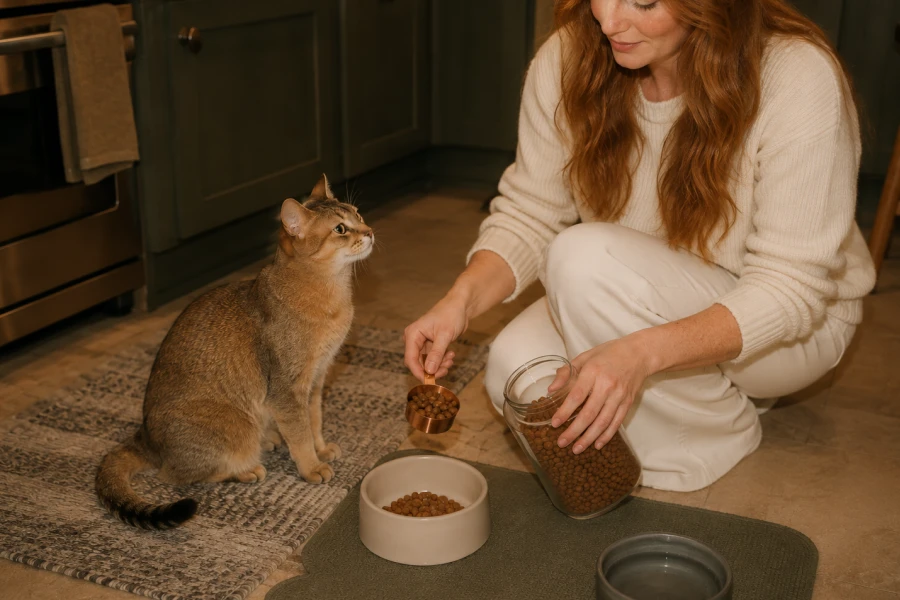
Feeding questions rarely have one answer that works for every cat. Many owners ask when should cats eat dry food because household schedules can feel unpredictable. The better question is how timing fits your cat’s age, appetite, activity, and wider diet. Some cats prefer clear mealtimes, while others graze when food is available. Health history also matters, especially when appetite or weight has changed. A calm routine gives you a chance to see what your cat is actually eating. It also makes unusual changes easier to notice early. This is not about creating a perfect clockwork system. It is about choosing a pattern that supports observation and steady care. A veterinarian can help tailor feeding decisions when individual health needs are involved.
Start with the full day rather than treating kibble as an isolated choice. Think about other foods, water access, play, sleep, and the times someone is home. A predictable structure can reduce begging and bowl-related confusion. That does not mean every serving must happen at the same minute. Some households need a morning and evening rhythm, while others use measured portions across the day. A realistic cat dry food schedule should fit the people and pet living together. Keep the plan simple enough to follow on workdays and weekends. Use package guidance as a starting point, not an individualized medical instruction. Ask a veterinarian about special needs, including age or known health conditions. The best plan is the one you can observe and adjust responsibly.
Consistent timing can make appetite patterns easier to interpret. When meals happen randomly, it is harder to tell whether a cat truly ate less. Regular opportunities also help you see which foods your cat prefers or avoids. Cats often appreciate routine, but routines can still allow small changes. Avoid making up for missed meals by automatically overfilling the next bowl. Instead, return to the normal pattern and watch how your cat responds. Measured portions can prevent a feeding area from becoming an endless guessing game. Keep treats in mind when thinking about the whole day’s intake. A steady framework turns feeding into useful information rather than background noise. That clarity supports calmer decisions.
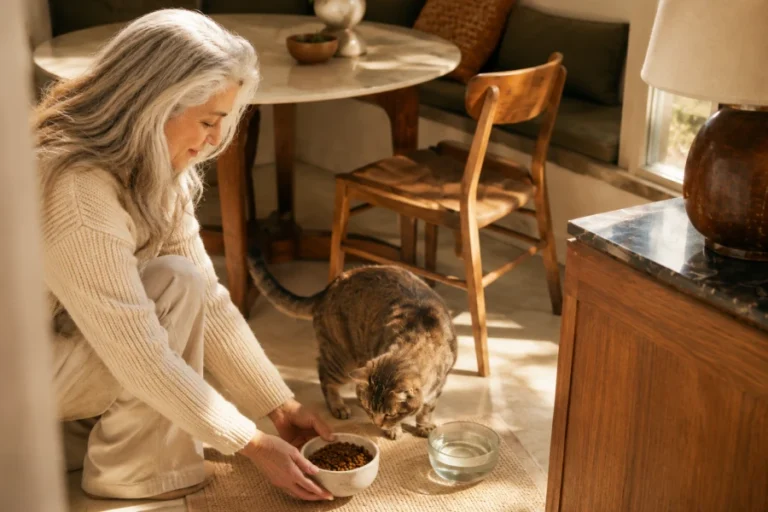
Food timing works best when water, environment, and behavior are considered together. Place fresh water where your cat can find it comfortably. Some cats prefer water away from food, while others use both stations easily. A clean, quiet feeding area may encourage a nervous cat to eat more consistently. Helpful hydration-friendly cat meals keep water access visible instead of treating it as an afterthought. Notice whether your cat drinks differently after changes in routine or food. Pay attention to sudden shifts in appetite, thirst, or usual behavior. Those changes may be worth discussing with a veterinary professional. The bowl is only one part of the overall feeding experience. Comfortable surroundings can make the whole routine easier to read.
Free refilling can make a bowl look convenient while hiding useful information. You may not know how much food disappeared or when it was eaten. Measured servings offer a clearer view of appetite without turning meals into a strict test. Use a consistent scoop or scale if that suits your household. The goal is awareness, not anxious counting. A simple cat feeding time planner can help coordinate meals among family members. It can also prevent duplicate servings when several people care for the cat. Keep food fresh by storing it properly and cleaning bowls regularly. Notice leftovers before adding more food. Small observations often matter more than complicated rules.
Life changes, and a useful routine needs room to bend. Travel, visitors, hot weather, illness, or a shift in work hours can affect feeding behavior. Return to familiar patterns when the disruption passes. Do not force a rigid schedule if it clearly creates stress for your cat. Instead, hold onto the parts that provide the most stability. Use notes to distinguish a brief disruption from a longer change. Contact a veterinarian when appetite changes are persistent, sudden, or accompanied by other concerns. Good timing is not a substitute for medical care. It simply makes routine behavior easier to notice. Flexibility and attention can exist together.
A calmer household rhythm comes from consistency, not perfection. Choose feeding times you can maintain without rushing. Watch your cat’s response and adjust only when there is a clear reason. Keep water fresh, servings sensible, and the feeding area comfortable. Discuss individual dietary questions with your veterinarian. Use routine to make patterns visible, not to control every bite. Over time, the right structure will feel straightforward. Your cat gets familiar care, and you gain clearer information. That shared predictability can make meals feel easier for everyone. Thoughtful timing turns an ordinary bowl into a useful daily check-in. A little planning also makes shared caregiving feel less chaotic on busy days.



Leave a comment