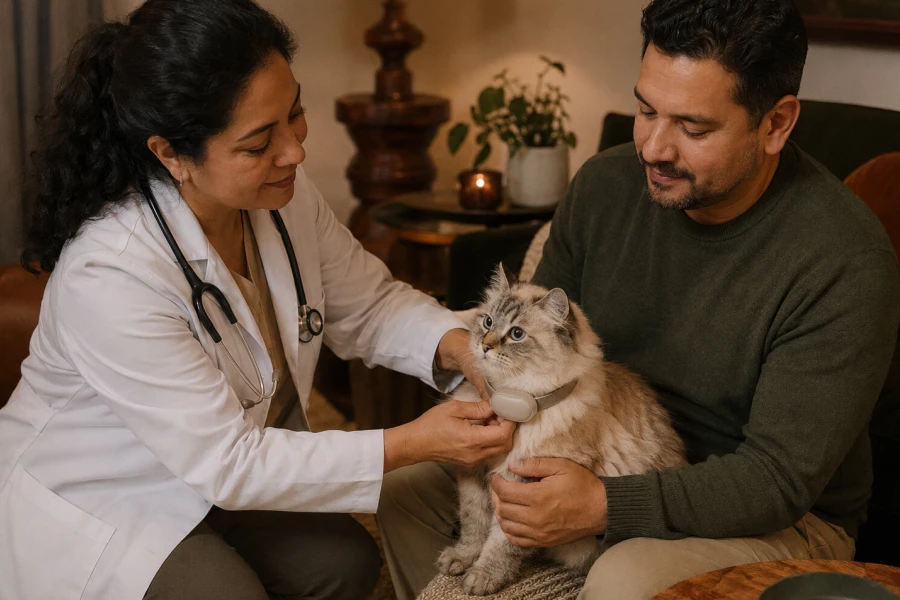
Technology can make pet care feel more organized, but it cannot make decisions for you. Learning how to use ai for pet health starts with realistic expectations. A digital tool may collect habits, highlight possible changes, or help structure questions. It cannot examine your pet or replace a licensed veterinarian. That distinction keeps the process grounded from the beginning. Owners remain responsible for noticing behavior, acting on urgent concerns, and seeking professional help. The most useful tools support attention rather than outsource it. They add a record to your experience instead of overruling your instincts. A balanced approach makes technology feel like a companion to care. It also protects your pet from being reduced to a dashboard.
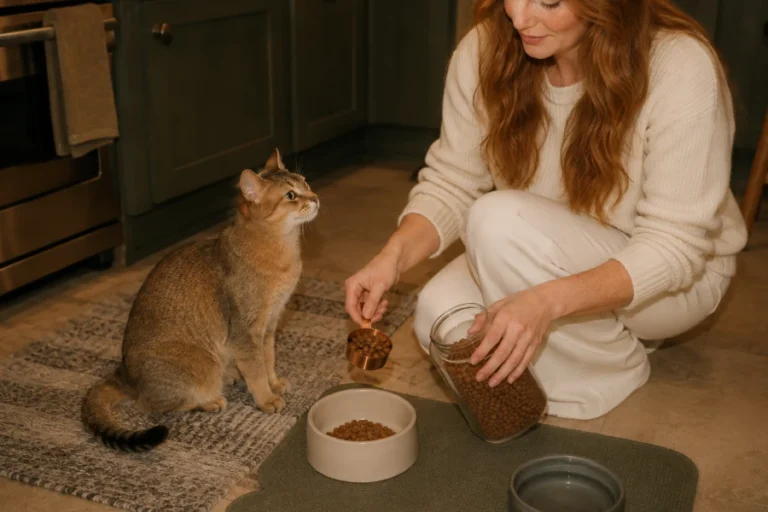
Start with a clear reason for using a tool in the first place. Perhaps you want a better record of appetite changes or activity shifts. Maybe you need help remembering what happened before a veterinary visit. Choose one or two practical goals rather than trying to measure everything. The owner’s role remains the center of every useful decision. You know the small rituals that make your pet seem like themselves. Your observations give technology a meaning it cannot create alone. Keep a short at-home pet observation log that describes what you actually saw. Add details about timing, environment, and duration when they matter. That grounded record is often more valuable than endless information.
Specific inputs produce more useful questions than vague impressions. Record a reduced appetite instead of simply writing that your pet seemed off. Note whether a limp appeared after exercise or during rest. Describe sleep changes with times, locations, and frequency when possible. This gives patterns a clearer shape without asking you to diagnose them. Thoughtful responsible AI pet care uses everyday detail to support professional conversations. Avoid entering guesses as though they were facts. Keep your wording plain and consistent from one entry to the next. A system can only work with the context you provide. Better inputs make later review more practical.
Decide early how much information is genuinely useful for your household. Constant tracking can create more noise than clarity. Pick routines that you can maintain without turning care into a chore. Some owners prefer a quick daily note, while others need a weekly review. Check privacy settings before sharing records with a service or device. Know where information is stored and who can access it. Save only what helps you notice meaningful changes. The rest can become distraction. Good boundaries protect both personal data and peace of mind. A lighter system is often easier to sustain. Review the setup occasionally to remove steps that do not improve care. Simplicity makes good habits more durable.
Prepare for veterinary care by turning observations into focused questions. Bring a short timeline when a concern repeats or develops. Mention relevant changes in food, movement, sleep, or social behavior. This helps a clinician understand the setting around the concern. Useful pet health question prompts can prevent important details from disappearing under pressure. Ask what signs should prompt a call and which can be watched at home. Clarify whether changes in routine might affect the pattern. Be open about uncertainty rather than presenting an app result as an answer. The visit should remain a conversation, not a technology report. Your veterinarian can decide what information matters medically.
Use records to make appointments more efficient, not to replace them. A concise summary can help a veterinary professional see the sequence of events. It can also show which changes resolved and which stayed persistent. Good veterinary appointment preparation keeps the emphasis on your pet’s present needs. Bring only the notes that clarify the concern. Ask whether the monitoring approach should continue, change, or stop. Follow clinical guidance about tests, treatment, and emergency signs. Technology should support the relationship with your care team. It cannot carry the whole responsibility itself. That is where responsible use becomes genuinely helpful. Clear notes help every caregiver stay focused on practical next steps.
The best approach is quiet, practical, and connected to real care. Use tools to support memory, focus attention, and prepare questions. Step back when monitoring starts to increase worry without improving action. Treat alerts as prompts to observe more carefully, not as final conclusions. Let professional advice guide any health decision that affects treatment. Stay close to your pet’s ordinary rhythms, because those rhythms are your baseline. Keep the system simple enough that affection and daily life remain first. Strong judgment comes from context, care, and timely support. Technology can contribute, but it should never take the lead. That balance protects both confidence and common sense. Keep the focus on observable behavior, not on abstract scores alone. Ask for help when the record raises a question you cannot answer. A thoughtful system should support reassurance and action in equal measure.


Leave a comment