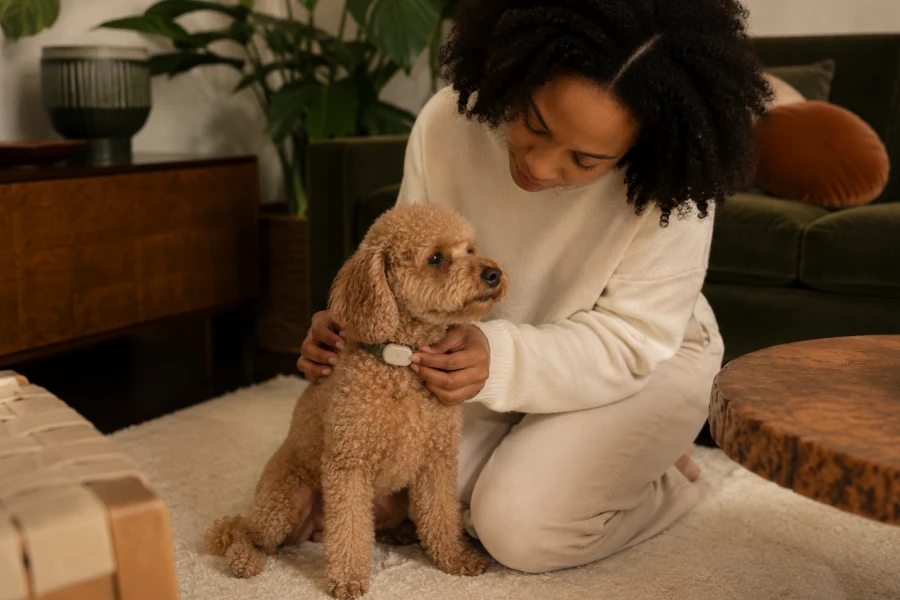
Pet care often depends on noticing tiny departures from a familiar routine. A slower greeting, shorter play session, or changed sleeping place may not mean much alone. Still, small changes can be easier to discuss when they are remembered clearly. Predictive pet care technology offers one way to organize those everyday observations. It can highlight patterns that are difficult to hold in memory across busy weeks. That does not make it a diagnosis tool or a substitute for clinical care. Its value lies in helping owners identify what may deserve a closer look. The best use is calm, contextual, and connected to a real pet. Data becomes helpful only when it remains tied to behavior you can observe. A good system supports attention without replacing it.
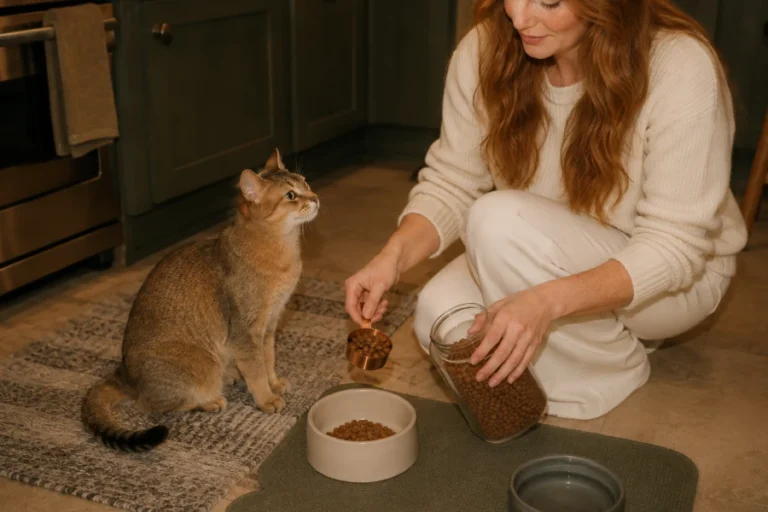
Every pet has a personal rhythm that matters more than a generic benchmark. One dog may nap often, while another stays alert through the afternoon. One cat may eat slowly, while another prefers several short visits to the bowl. Start by noticing the routines that are normal in your own home. Keep the record broad enough to include activity, appetite, sleep, and mood. A simple pet health trend tracking approach can help those details stay organized. Look for movement away from an established baseline instead of comparing pets unfairly. Age, breed, weather, travel, and household activity can all influence behavior. Context keeps a normal variation from looking more alarming than it is. Personal patterns are the foundation for useful insight.
An alert, score, or unusual pattern is a signal to pay attention, not a final answer. It may reflect a harmless routine change, a device error, or something worth discussing. Avoid assuming that technology knows the cause of what it notices. Check the situation around the alert before reacting. Was there a long car ride, a visitor, a missed walk, or a new feeding time? Compare the change with your own observation of your pet. If anything seems sudden, severe, or concerning, contact a veterinarian promptly. Professional evaluation remains essential whenever health is in question. Careful interpretation prevents both false reassurance and unnecessary alarm. A measured response keeps the tool in its proper role.
Organize observations in a form you can review without friction. Short entries about what changed often work better than elaborate daily reports. Write down timing, duration, and anything that happened immediately beforehand. Include what returned to normal as well as what did not. This turns scattered moments into a useful narrative. The strongest personalized pet care insights emerge from realistic, consistent notes. Keep photos or short videos only when they clarify a visible behavior. Avoid collecting material simply because a device makes it possible. Review the record periodically rather than obsessively. A manageable routine is more likely to last.
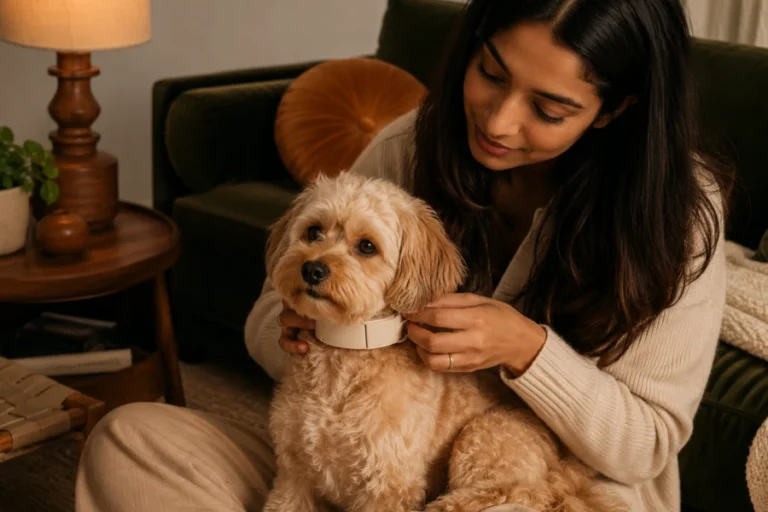
Follow-up should be based on concern, persistence, and professional guidance. Create a simple rule for yourself about when you will monitor and when you will call. For example, a minor change may be noted, while a sudden serious change receives immediate attention. Do not wait for a perfect dataset when your pet appears unwell. A tracking system should never delay needed care. Use it to prepare a clearer description of what you observed. Good privacy-minded pet data habits also keep sensitive records under your control. Check what is shared, where it is stored, and how long it remains available. Practical follow-up combines prompt care with responsible record keeping. Ask your veterinarian how to interpret relevant trends before relying on them. This gives later observations a more useful reference point.
Veterinary conversations become easier when observations have a clear timeline. A clinician can ask better questions when the sequence is organized. You can explain what changed first, what followed, and what improved. This may reduce vague recall and help focus an appointment. Bring the details that matter most instead of every isolated data point. Say openly when you are uncertain about what you saw. Ask what should be tracked next and which symptoms require earlier contact. The technology supports communication, but the care team guides medical decisions. That partnership protects your pet from overinterpretation. Better conversations are often the most valuable outcome.
A useful tool should make care feel more attentive, not more anxious. Let it fit around walks, cuddles, meals, and ordinary life. Review changes with curiosity and common sense. Avoid treating every number as a verdict. Use the information to recognize patterns and prepare questions. Keep veterinary guidance at the center whenever there is a health concern. When data clarifies a routine, it has done its job. When it creates noise, simplify the process. Technology works best when it stays in the background. The relationship with your pet should always remain in front. Select features that clarify a choice instead of multiplying notifications. Close the app when there is nothing useful to review. Better care comes from thoughtful follow-through, not constant surveillance.

Leave a comment